If your energy dips have outlasted your coffee habit, the problem may not be sleep or stress — it may be your cells' ability to actually produce ATP. Here's what the evidence says about CoQ10, which form to buy, and how to dose it for real results.
Why CoQ10 Matters for Cellular Energy
Coenzyme Q10 isn't a stimulant — it's a structural requirement for making ATP, the energy currency your cells run on. It lives inside the mitochondrial membrane, shuttling electrons through the respiratory chain that powers your heart, muscles, and brain. Without adequate CoQ10, those cells simply can't produce energy efficiently, no matter how much sleep or caffeine you throw at the problem.
The catch: your body's natural CoQ10 production peaks in your 20s and declines steadily after, dropping by an estimated 50% or more by your 60s. Statin medications also deplete CoQ10 levels because they block the same biochemical pathway (the mevalonate pathway) used to synthesize it. That's why fatigue, statin users, and anyone over 40 are the three groups most likely to notice a real difference from supplementing.
Ubiquinone vs. Ubiquinol: Which Form Actually Works
Not all CoQ10 is created equal, and this is where most buying decisions go wrong. There are two forms on the market, and the difference matters far more than brand marketing suggests.
Ubiquinone is the oxidized form — cheaper to produce, more common in budget supplements, and it requires your body to convert it into the active form before use. Ubiquinol is the already-reduced, bioactive form your cells use directly. Absorption studies consistently show ubiquinol achieves higher blood plasma levels at equivalent doses, particularly in older adults whose conversion capacity has declined with age.
- Ubiquinone: budget-friendly, well-studied, needs enzymatic conversion
- Ubiquinol: superior absorption, better for adults 50+, typically 2-3x the price
- Both need dietary fat present for meaningful absorption — always take with a meal
Who Actually Needs a CoQ10 Supplement
CoQ10 isn't a universal energy fix, but a few groups see disproportionate benefit based on the available research. If you fall into one of these categories, it's worth a structured 8-12 week trial.
Statin users top the list, since the medication directly interferes with endogenous CoQ10 synthesis. Adults over 45-50 are next, simply due to the natural production decline. People managing chronic fatigue, migraine frequency, or those training at high intensity also report noticeable differences, likely because these states place extra demand on mitochondrial output.
Dosing: What the Research Actually Supports
Clinical dosing for CoQ10 typically ranges from 100mg to 300mg daily, split into two doses for better absorption. Lower doses (30-100mg) are common in multivitamins but are largely considered maintenance-level rather than therapeutic.
For statin-associated fatigue or general energy support, 100-200mg daily is the most commonly studied range. Athletes and those targeting cardiovascular support sometimes go higher, up to 300mg, but there's limited evidence that exceeding this range produces additional benefit. Consistency matters more than megadosing — CoQ10 builds up in tissue over weeks, not hours.
| Form | Best For | Typical Dose | Absorption |
|---|---|---|---|
| Ubiquinone | Budget-conscious, under 45 | 100-200mg/day | Moderate, requires conversion |
| Ubiquinol | Adults 50+, statin users | 100-200mg/day | High, bioactive form |
| Softgel (oil-based) | Anyone, general use | 100-300mg/day | Enhanced with fat-based carriers |
| Powder/capsule (dry) | Budget stacking | 100-200mg/day | Lower unless taken with fatty meal |
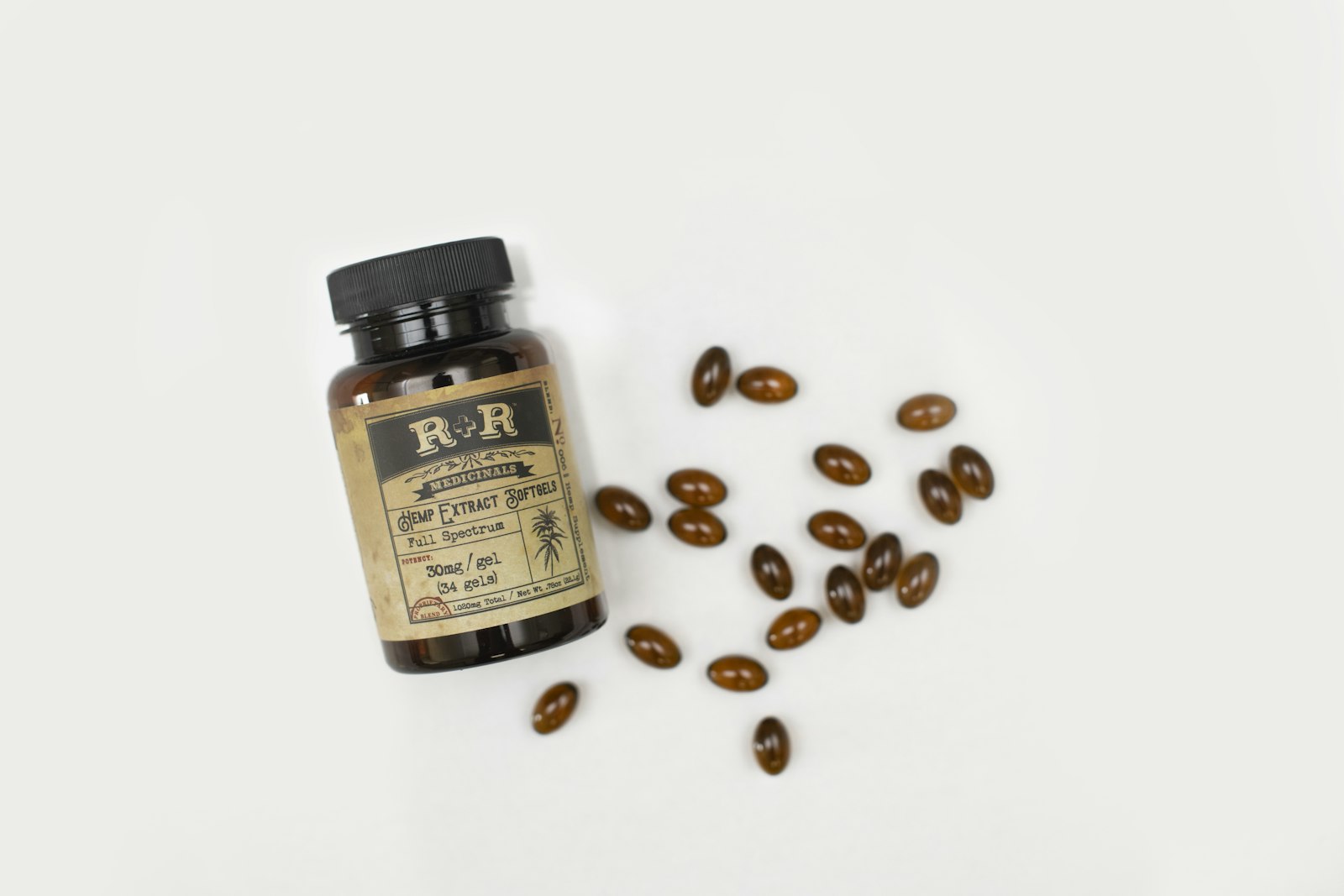
Start With a High-Absorption Ubiquinol Formula
Look for a 100-200mg ubiquinol softgel in an oil-based capsule — this form skips the conversion step and is the most practical starting point for adults over 40.
Check Price on Amazon →What to Check on the Label Before You Buy
Marketing claims aside, three label details separate a genuinely useful CoQ10 product from a wasted purchase. First, confirm whether it's ubiquinone or ubiquinol — the word 'CoQ10' alone tells you nothing about which form you're getting.
Second, check the carrier. CoQ10 is fat-soluble, so capsules suspended in an oil base (like softgels) generally outperform dry powder tablets unless you're diligent about taking the latter with a high-fat meal. Third, look for third-party testing or a certificate of analysis — CoQ10 potency can vary significantly batch to batch if a brand doesn't verify it.
Compare Verified CoQ10 Brands Side-by-Side
iHerb carries a wide catalog of third-party-tested ubiquinol and ubiquinone formulas with visible potency verification, making it easy to compare milligram strength and carrier oil across brands.
Shop CoQ10 on iHerb →Stacking CoQ10 With Other Energy Nutrients
CoQ10 rarely works in isolation — it's part of a broader mitochondrial support system. Many formulators pair it with PQQ, which supports mitochondrial biogenesis (essentially helping cells build new mitochondria rather than just fuel existing ones). Others combine it with L-carnitine, which shuttles fatty acids into mitochondria for conversion into usable energy.
B-vitamins, particularly B2 (riboflavin) and B3 (niacin), also play direct roles in the electron transport chain and are common, sensible additions. If you're building a mitochondrial support stack rather than buying single ingredients, look for formulas that combine CoQ10 with at least one of these rather than stacking five separate bottles.
Try a Formulated CoQ10 + PQQ Energy Stack
For a more targeted approach than a single-ingredient bottle, a combined CoQ10, PQQ, and B-vitamin formula addresses both existing mitochondrial output and new mitochondrial growth in one dose.
View the Stack →How Long Before You Notice a Difference
Unlike caffeine or stimulant-based energy products, CoQ10 works on a cellular timeline. Tissue saturation studies suggest most people need 4-8 weeks of consistent daily dosing before blood and tissue levels reach a meaningful plateau. Some notice subtle changes in exercise recovery or afternoon energy dips within two to three weeks, but the full effect — particularly for statin-related fatigue — often takes the full 8-12 week window.
Set a realistic checkpoint at week 8, take it with a fat-containing meal every single day without gaps, and choose ubiquinol if you're over 50 or on a statin. That combination — right form, right dose, right consistency — is what actually separates people who feel a difference from those who write CoQ10 off as ineffective.
From across the network
More from the network on related topics: VitaminSupplyCenter · TestBoostLab · EDHealthLab.