Resveratrol went from red-wine curiosity to one of the most studied polyphenols in longevity science, but the supplement aisle is a minefield of underdosed capsules and vague "proprietary blends." This guide cuts through the marketing to show you which forms matter, how much you actually need, and which products deliver real trans-resveratrol per serving rather than just a trace amount on the label.
What Resveratrol Actually Does
Resveratrol is a polyphenol found in grape skins, red wine, Japanese knotweed, and peanuts. It first drew attention as a possible explanation for the "French Paradox," and lab research since then has focused on its role as a sirtuin activator, particularly SIRT1, a pathway linked to cellular stress resistance and metabolic regulation.
In humans, the most consistent evidence points to cardiovascular and metabolic markers—modest improvements in blood pressure, endothelial function, and lipid profiles in some trials—rather than dramatic anti-aging claims. It's a supporting player in a longevity stack, not a miracle molecule, and framing it that way helps set realistic expectations.
Trans- vs. Cis-Resveratrol: Why the Label Matters
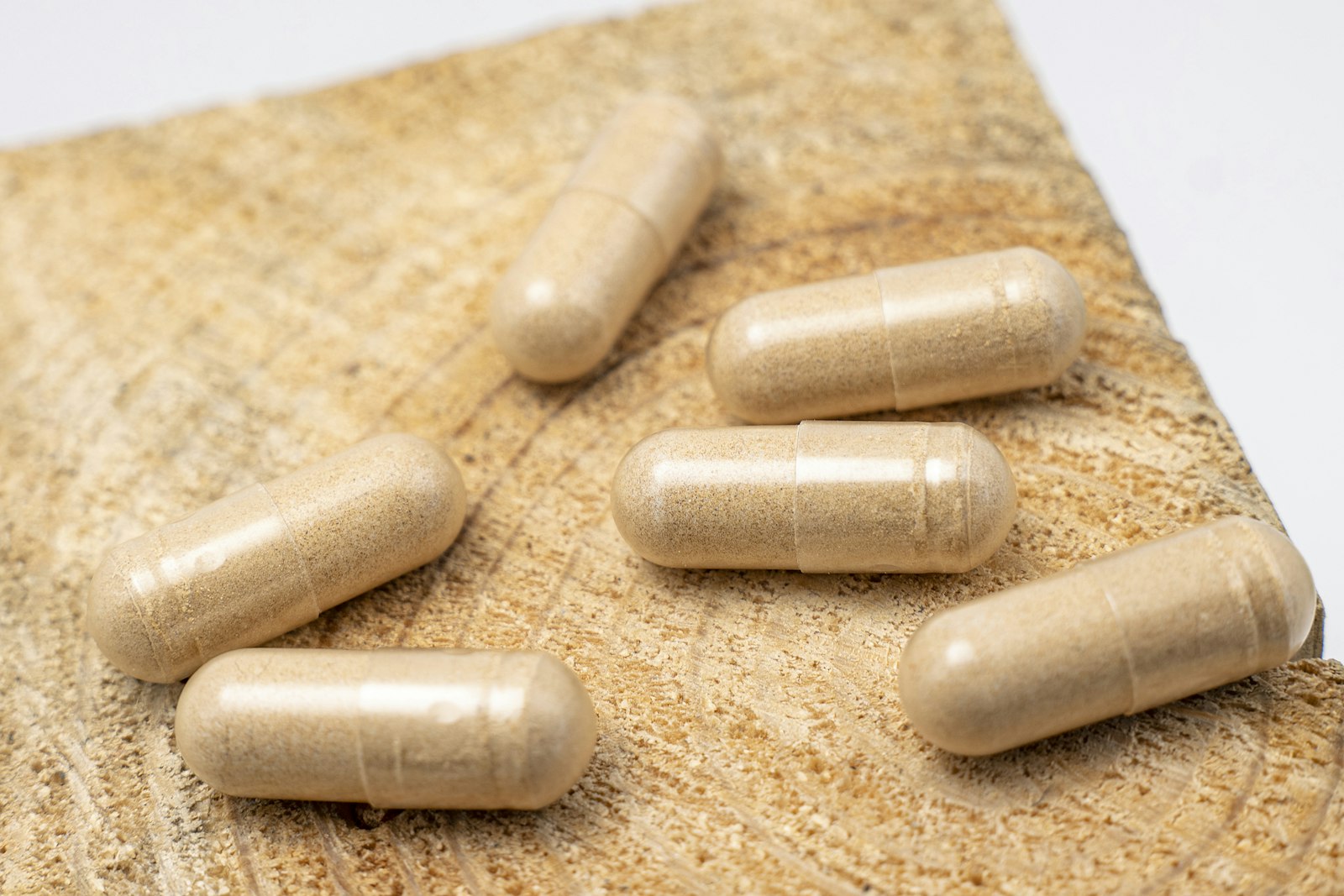
Resveratrol exists in two isomeric forms: trans and cis. Trans-resveratrol is the stable, bioactive form studied in most clinical research, while cis-resveratrol converts from trans when exposed to light or heat and has far less research behind it.
A quality supplement should specify "trans-resveratrol" on the label with a milligram amount tied specifically to that isomer—not just "resveratrol extract" with no isomer breakdown. If a label only says "resveratrol 500mg" without the trans- qualifier, treat that as a red flag.
The Bioavailability Problem
Resveratrol's biggest weakness isn't the molecule itself—it's absorption. Studies show that a large fraction of an oral dose is metabolized and cleared within hours, meaning much of what you swallow never reaches circulation in its active form.
This is why formulation matters as much as dose. Look for products that pair resveratrol with piperine (black pepper extract), phospholipid complexes, or micronized/liposomal delivery systems designed to slow metabolism and improve uptake.
Who Actually Needs Resveratrol
Not everyone needs to add this to their stack. It tends to make the most sense for a specific set of people rather than as a universal daily supplement.
- Adults over 40 focused on cardiovascular and metabolic markers as part of a broader longevity protocol
- Those already taking NAD+ precursors (like NMN or NR) who want a complementary sirtuin-pathway supplement
- People with elevated blood pressure or cholesterol working alongside their physician on lifestyle-based support
- Athletes and biohackers interested in polyphenol-based antioxidant support post-exercise
Dosing: What the Research Actually Uses
Clinical trials have used doses ranging widely, from as low as 150mg to as high as 1,000mg or more per day, with most cardiovascular and metabolic studies clustering around 150–500mg of trans-resveratrol daily.
Higher doses aren't automatically better—some research suggests a U-shaped response where very high intakes lose effectiveness or increase GI side effects like bloating and mild nausea. Starting at 250–500mg per day with food is a reasonable, evidence-aligned entry point for most healthy adults.
| Form | Bioavailability | Best For | Typical Dose |
|---|---|---|---|
| Standard trans-resveratrol capsule | Low-moderate | Budget-conscious daily use | 250–500mg |
| Micronized resveratrol | Moderate-high | Improved absorption without added ingredients | 150–350mg |
| Resveratrol + piperine blend | High | Maximizing bioavailability per dose | 150–300mg |
| Liposomal resveratrol | High | Sensitive stomachs, faster uptake | 100–250mg |
| Japanese knotweed extract | Variable, source-dependent | Natural-source trans-resveratrol | Check trans- content on label |
Top Picks for 2026
Here's where to start looking, organized by what each option does best rather than a single "winner." Always verify third-party testing and the trans-resveratrol milligram amount before buying.
Best Straightforward Capsule
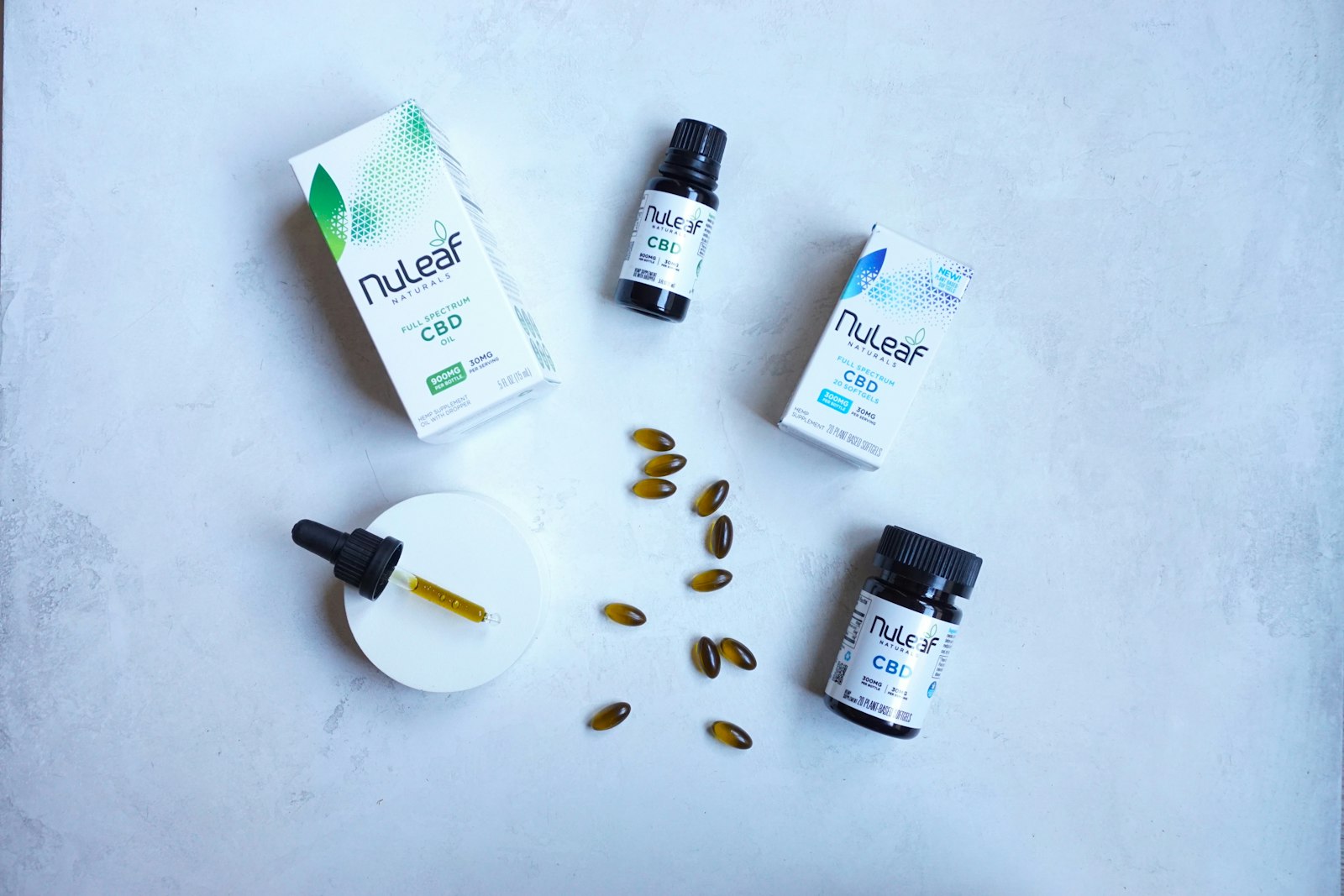
A clean, high-potency trans-resveratrol capsule with piperine added for absorption—ideal if you want a no-frills daily option with transparent labeling.
Check Price on Amazon →Best for Bioavailability
iHerb stocks several micronized and phospholipid-complexed resveratrol formulas built specifically to address the absorption problem standard capsules struggle with.
Shop Micronized Resveratrol →Best for Sensitive Stomachs
Liposomal delivery wraps resveratrol in a lipid layer, which many users report causes less GI irritation while improving absorption compared to standard powder-filled capsules.
Check Price on Amazon →Best Paired With NAD+ Support
If you're already running an NMN or NR protocol, look for a resveratrol formula marketed as a sirtuin-pathway complement—often bundled with quercetin for added polyphenol synergy.
Explore NAD+ Stack Options →Red Flags to Avoid
Skip any product that lists only "resveratrol extract" without specifying the trans-isomer content, uses proprietary blends that hide actual dosing, or makes explicit disease-treatment claims—which is both a regulatory red flag and a sign of poor scientific grounding.
Third-party testing (look for NSF, USP, or Informed Choice seals) is worth prioritizing over brand marketing. Resveratrol degrades with light and heat exposure, so opaque packaging and reasonable storage instructions are a small but meaningful quality signal.
The Bottom Line
Resveratrol isn't a miracle compound, but as a modestly-dosed, well-absorbed addition to a broader cardiovascular and metabolic health strategy, it has a defensible place in a 2026 supplement stack. Prioritize trans-resveratrol content, bioavailability-enhancing formulation, and third-party testing over flashy marketing claims, and start at a moderate dose before considering anything higher.
From across the network
More from the network on related topics: VitaminSupplyCenter · TestBoostLab · EDHealthLab.