Urolithin A has become one of the most talked-about longevity compounds of 2026, promoted as a way to recycle old mitochondria and restore youthful cellular energy — but between the lab mechanism and the marketing claims lies a much more modest, evidence-based reality worth understanding before you buy.
What Urolithin A Actually Is
Urolithin A isn't a nutrient you eat directly. It's a metabolite your gut bacteria produce after digesting ellagitannins and ellagic acid, compounds found in pomegranates, walnuts, and certain berries. The catch is that most people's gut microbiomes are inefficient converters — research suggests a meaningful share of adults produce little to no Urolithin A even after eating pomegranate-rich meals regularly.
That gap between eating the source foods and actually generating the active compound is the entire reason purified Urolithin A supplements exist. Rather than relying on unpredictable gut conversion, these products deliver the metabolite directly, bypassing the variable microbiome step altogether.
The Mitophagy Mechanism, Explained Simply
The core scientific interest in Urolithin A centers on mitophagy — the cellular process of clearing out damaged, dysfunctional mitochondria so newer, more efficient ones can take their place. As we age, mitophagy naturally slows down, and old mitochondria accumulate in muscle and other tissue, contributing to reduced cellular energy output.
Preclinical and early human studies have shown that Urolithin A can stimulate this mitochondrial recycling process. This isn't a fringe theory — the mechanism has been studied by independent academic labs, not just supplement marketers, which is part of why Urolithin A gets more scientific credibility than the average trending ingredient.
What Human Clinical Trials Actually Show
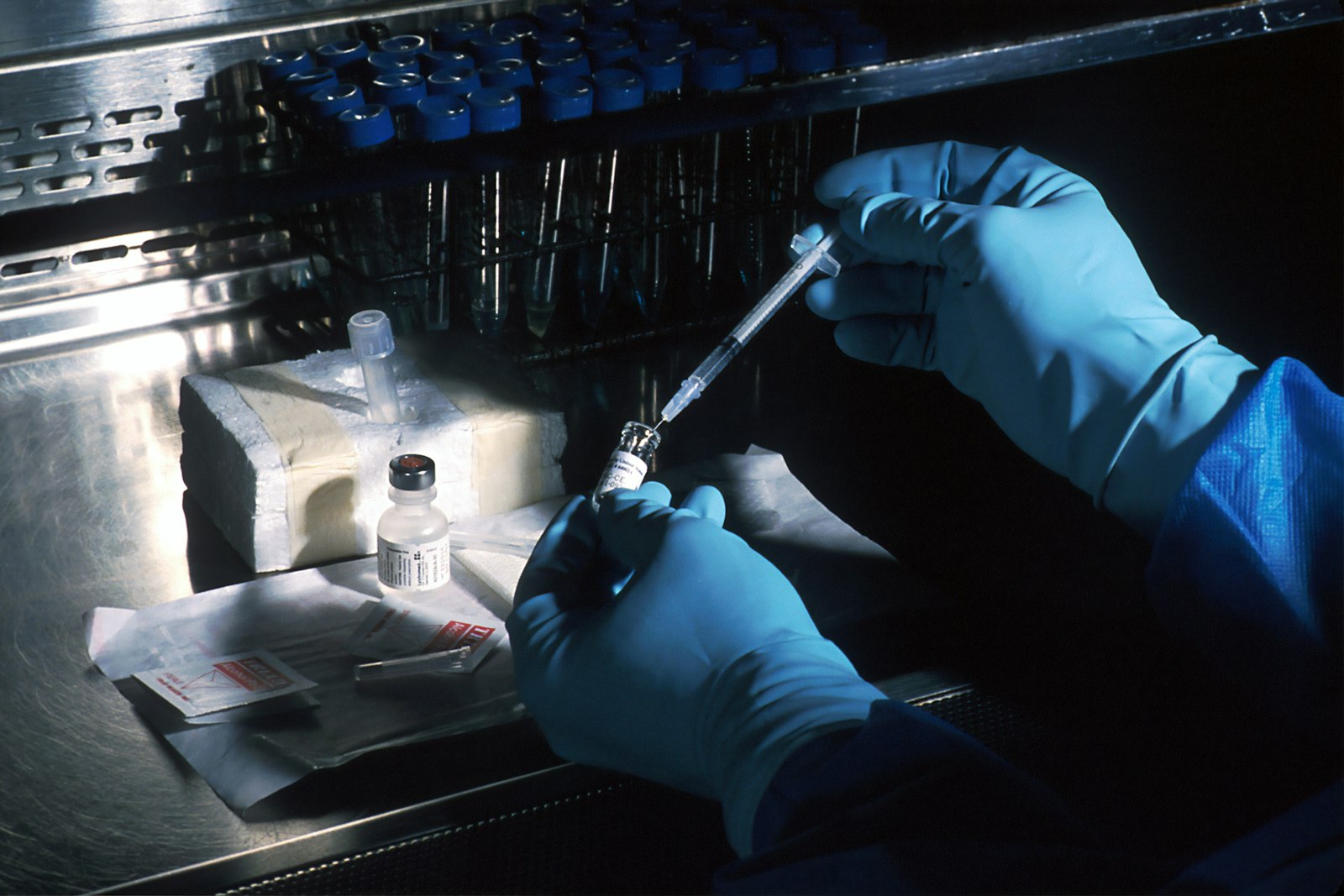
This is where realistic expectations matter most. Placebo-controlled human trials on Urolithin A have generally focused on middle-aged and older adults, measuring outcomes like muscle strength, endurance markers, and blood biomarkers of mitochondrial health over periods of several months.
The consistent finding across published trials is modest, measurable improvement in muscle endurance and certain mitochondrial biomarkers — not dramatic transformation. Grip strength and muscle output changes tend to be in the single-digit percentage range. That's meaningful for someone tracking long-term healthspan metrics, but it's not going to feel like a switch flipping. Study populations have also been relatively small and short in duration compared to what's typical for pharmaceutical-grade evidence, so confidence intervals remain wide.
Who the Research Actually Applies To
Nearly all the higher-quality human data comes from adults over 40, often specifically screened as low natural Urolithin A producers. If you're in your 20s or 30s with an active lifestyle and a gut microbiome that already converts ellagitannins efficiently, the incremental benefit of supplementing is far less established — the existing trials simply weren't designed to answer that question.
| Claim Category | Evidence Strength | What This Means |
|---|---|---|
| Stimulates mitophagy | Strong (preclinical + mechanistic) | Well-supported at the cellular biology level |
| Improves muscle endurance (older adults) | Moderate (small RCTs) | Modest, measurable gains in trial settings |
| Reverses visible aging | Weak / Not established | No robust human data supports this |
| Boosts energy in young, healthy adults | Insufficient data | Largely unstudied population |
| Safe for daily long-term use | Moderate-to-good (short-to-mid term) | Longer-term multi-year safety data still developing |
Dosage, Timelines, and What 'Working' Looks Like
Clinical dosing in published trials has generally clustered around several hundred milligrams daily, taken consistently over multiple months rather than days or weeks. Mitochondrial renewal is a slow biological process — if you're expecting an immediate energy jolt like caffeine, Urolithin A will disappoint you.
A realistic framework: give any Urolithin A protocol a minimum of 8-12 weeks before evaluating results, and track objective markers where possible — grip strength, endurance during a familiar workout, or recovery time — rather than relying purely on subjective 'do I feel different' impressions, which are notoriously unreliable for slow-acting compounds.
Compare Urolithin A Formulas Side by Side
Look for third-party tested products with clearly labeled milligram doses matching clinical trial ranges — not proprietary blends that obscure the actual amount.
Shop Urolithin A on Amazon →Where the Marketing Outpaces the Science
Because Urolithin A sits at the intersection of legitimate longevity research and a booming supplement market, claims tend to drift further from the data the closer you get to product pages. Terms like 'reverse aging' or 'cellular rejuvenation' are marketing language, not clinical terminology — no human trial has demonstrated reversal of aging as a broad outcome.
The honest summary: Urolithin A has a genuinely interesting, mechanistically sound story and real (if modest) human trial support for mitochondrial and muscle-related outcomes in specific populations. It is not a proven anti-aging cure, and anyone promising dramatic overnight results is overselling early-stage science.
Explore Ellagitannin-Rich Whole Food Sources
Pomegranate extract and walnut-based supplements support your body's natural precursor pathway alongside a direct Urolithin A protocol.
Browse on iHerb →A Practical Way to Evaluate Any Product You're Considering
Before buying, check three things: the milligram dose relative to what was used in published human trials, whether the product discloses third-party testing for purity, and whether the brand cites actual peer-reviewed studies rather than vague 'clinically studied ingredient' language borrowed from press releases.
Urolithin A is one of the more evidence-backed entries in the longevity supplement space, but 'more evidence-backed than most' is a low bar in an industry full of unproven trends. Treat it as one input in a broader healthspan strategy — sleep, resistance training, and diet still move the needle more than any single compound.
Support Mitochondrial Health From Multiple Angles
Pair a Urolithin A protocol with a broader cellular health stack designed around NAD+ pathways and antioxidant support for a more complete approach.
View SystemLabs Formulas →From across the network
More from the network on related topics: VitaminSupplyCenter · TestBoostLab · EDHealthLab.