Mitochondria power every cell in your body, and their decline is quietly linked to fatigue, brain fog, and aging itself — here's what the evidence actually says about supporting them safely, who benefits most, and where the real risks lie.
What Mitochondrial Health Actually Means
Mitochondria are the organelles inside nearly every cell that convert food and oxygen into ATP, the energy currency your body runs on. When mitochondrial function declines — through aging, oxidative stress, poor sleep, or chronic disease — cells produce less usable energy and more reactive oxygen species, a combination linked to fatigue, cognitive fog, and accelerated aging markers.
Supporting mitochondrial health isn't a fringe idea anymore. It sits at the intersection of longevity research, sports performance science, and metabolic medicine, with a growing body of clinical evidence behind specific nutrients, lifestyle levers, and targeted supplementation.
The Evidence: What Research Actually Shows
Several compounds have reasonable human trial data supporting mitochondrial support, though effect sizes vary and most studies are short-to-medium duration. It's important to separate well-studied ingredients from trendy but thin-evidence additions.
Coenzyme Q10 (CoQ10) has the most robust dataset, particularly in statin users (who deplete CoQ10) and in people with fatigue-related conditions, showing modest but measurable improvements in energy markers and exercise tolerance. PQQ (pyrroloquinoline quinone) has smaller human trials suggesting benefits for mitochondrial biogenesis and sleep quality, though sample sizes remain limited. Creatine monohydrate has decades of strong evidence for ATP regeneration in muscle and, more recently, promising data on cognitive energy metabolism. Alpha-lipoic acid and L-carnitine show benefit primarily in populations with existing metabolic dysfunction, such as type 2 diabetes.
Who Tends to Benefit Most
The strongest responders in clinical literature are people over 40 experiencing age-related energy decline, individuals on statin therapy, endurance and strength athletes seeking recovery support, and people managing metabolic syndrome or insulin resistance. Healthy young adults with no symptoms typically see smaller, harder-to-measure effects.
| Compound | Best Evidence For | Typical Studied Dose |
|---|---|---|
| CoQ10 (ubiquinol form) | Statin-related fatigue, exercise capacity | 100–200 mg/day |
| PQQ | Mitochondrial biogenesis, sleep quality | 10–20 mg/day |
| Creatine monohydrate | ATP regeneration, cognitive energy | 3–5 g/day |
| Alpha-lipoic acid | Metabolic/insulin support | 300–600 mg/day |
| L-carnitine | Fatty acid transport into mitochondria | 500–2,000 mg/day |
Lifestyle Levers Matter More Than Any Supplement
No pill outperforms the fundamentals. Zone 2 cardiovascular exercise is one of the most well-documented stimulators of mitochondrial biogenesis, increasing both the number and efficiency of mitochondria in trained muscle. Resistance training, time-restricted eating, cold exposure, and consistent sleep timing all show mechanistic and clinical links to improved mitochondrial density and function.
Supplementation should be viewed as an accelerant layered onto these habits, not a replacement for them. People who combine targeted nutrients with structured training and sleep hygiene report the most consistent improvements in energy and recovery.
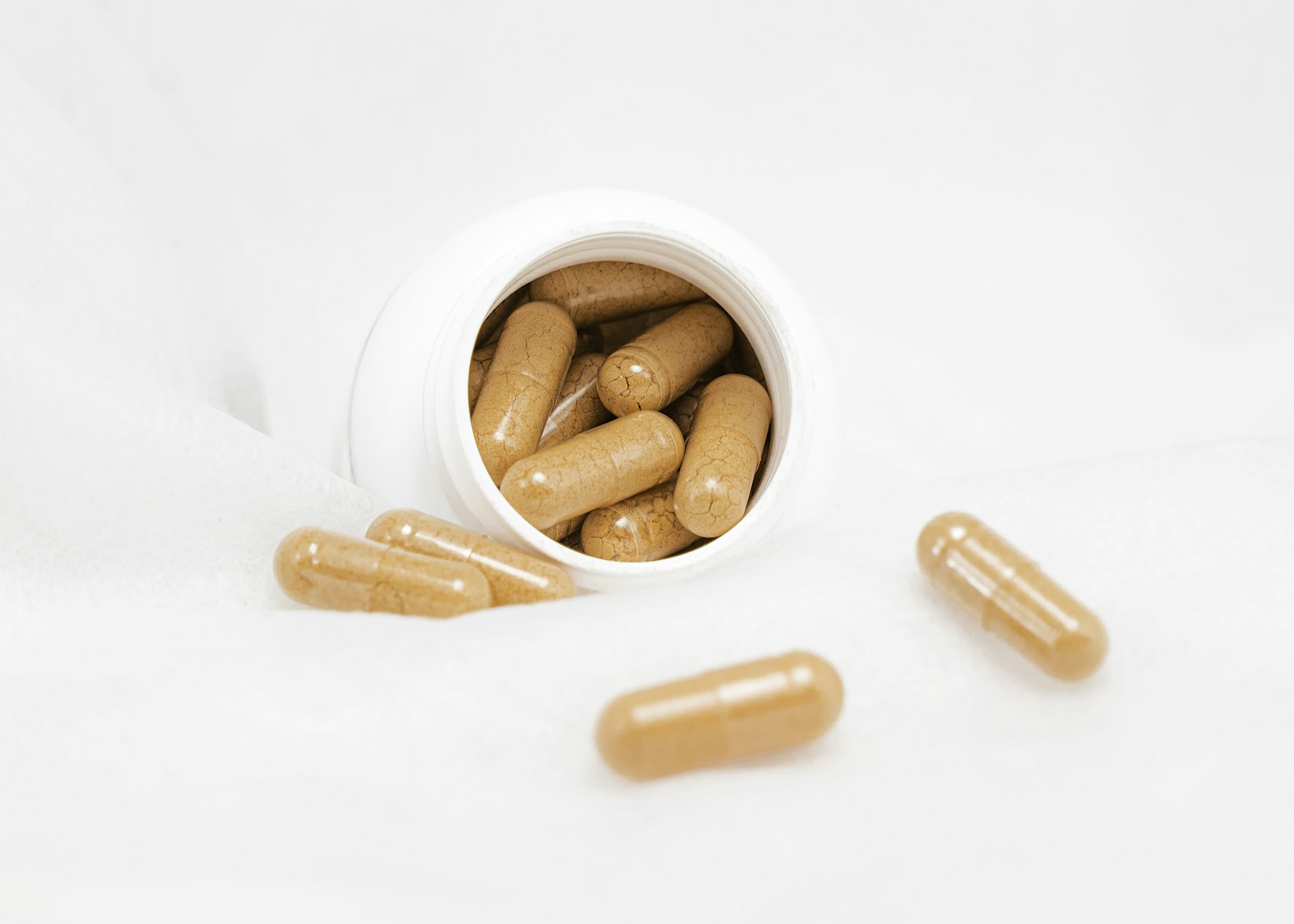
Ubiquinol CoQ10 for Cellular Energy
Look for the ubiquinol (reduced) form for better absorption, especially if you're over 40 or taking a statin.
Check Price on Amazon →Side Effects and Safety Considerations
Mitochondrial support compounds are generally well-tolerated at studied doses, but they are not risk-free. CoQ10 can cause mild gastrointestinal upset and, in rare cases, may interact with blood thinners like warfarin by slightly reducing their effect. PQQ has a shorter safety record and should be used at conservative doses until more long-term data emerges.
Creatine is one of the most researched supplements in existence and is safe for most healthy adults, though people with pre-existing kidney disease should consult a physician first. Alpha-lipoic acid can lower blood sugar, which matters for anyone on diabetes medication, and high-dose L-carnitine has been associated with a fishy body odor and, in some observational studies, changes in gut-derived compounds worth discussing with a doctor if you have cardiovascular risk factors.
As with any supplement stack, more is not automatically better. Mitochondrial pathways operate on feedback loops, and excessive antioxidant intake can theoretically blunt the beneficial adaptive stress response (hormesis) that exercise and mild caloric restriction normally trigger.
Who Should Be Cautious
Pregnant or breastfeeding individuals, anyone on anticoagulant or diabetes medication, and people with kidney or liver conditions should talk to a healthcare provider before starting any mitochondrial-support regimen. Children and adolescents generally don't need these supplements outside of specific diagnosed conditions.
PQQ + CoQ10 Combination Formulas
Combination formulas pairing PQQ with CoQ10 are popular for covering both mitochondrial biogenesis and existing mitochondrial efficiency in one capsule.
Shop on iHerb →Dosing Guidance and How to Start
Start with one variable at a time rather than a five-ingredient stack, so you can actually tell what's working. A reasonable entry protocol looks like 100 mg of ubiquinol CoQ10 with a fat-containing meal, given it's fat-soluble, alongside 3–5 g of creatine monohydrate daily, both well-studied and low-risk for most healthy adults.
Give any addition at least 4–6 weeks before judging effect, since mitochondrial adaptations — whether from supplements or exercise — happen at the cellular level and take time to show up subjectively. Track objective markers where possible: resting heart rate, recovery time, sleep quality scores, or bloodwork if you have access to it.
Creatine Monohydrate, Micronized
The most cost-effective, evidence-backed option for supporting cellular ATP regeneration in both muscle and brain tissue.
Check Price on Amazon →Testing: Do You Even Need Support?
Before investing in a stack, it's worth establishing a baseline. Bloodwork looking at fasting glucose, HbA1c, lipid panels, and inflammatory markers like CRP can reveal whether metabolic dysfunction is driving fatigue in the first place. Some at-home lab services now offer comprehensive metabolic and hormone panels that can help you and your doctor decide whether mitochondrial support is addressing a real deficit or just a subjective feeling of tiredness.
Comprehensive Metabolic & Hormone Panels
Get lab-grade insight into glucose, thyroid, and hormone markers from home before deciding which mitochondrial-support strategy actually fits your biology.
Explore Testing Options →The Bottom Line
Mitochondrial health is a legitimate, evidence-supported target for anyone dealing with age-related fatigue, statin use, metabolic dysfunction, or athletic recovery demands. CoQ10 and creatine have the strongest human data, PQQ and alpha-lipoic acid show promise for specific populations, and none of it replaces exercise, sleep, and consistent nutrition as the foundation.
Approach supplementation deliberately: pick one or two well-studied compounds, dose them at researched levels, give them adequate time, and loop in a physician if you're on medication or managing a chronic condition. That measured approach is what separates genuine cellular support from expensive guesswork.
From across the network
More from the network on related topics: VitaminSupplyCenter · TestBoostLab · EDHealthLab.