Spermidine has quietly become one of 2026's most discussed longevity compounds — praised for its role in cellular autophagy and studied for its links to heart and brain health. Here's what the evidence actually supports, who stands to benefit most, and the side effects worth knowing before you buy.
What Is Spermidine, and Why the Sudden Buzz?
Spermidine is a naturally occurring polyamine compound found in every cell of your body, with concentrations that decline steadily as you age. It's also present in certain foods and has become one of the most talked-about longevity compounds heading into 2026, largely thanks to its role in activating autophagy — your cells' internal recycling and cleanup process.
Unlike many trendy supplements, spermidine has a genuine mechanistic story. Autophagy clears out damaged proteins and dysfunctional organelles, and this process tends to slow with age. Researchers studying caloric restriction and fasting mimetics became interested in spermidine because it appears to trigger similar cellular housekeeping benefits without requiring actual food deprivation.
The Evidence: What Research Actually Shows
The most compelling data on spermidine comes from population studies and animal research, with human clinical trials still catching up. A well-cited observational study out of Austria followed dietary spermidine intake across a large cohort and found associations between higher intake and lower all-cause mortality, along with reduced risk of cardiovascular and cancer-related death.
Animal studies are where spermidine's autophagy story gets stronger. Research in mice and other model organisms has repeatedly shown lifespan extension with spermidine supplementation, alongside improvements in cardiac function and reduced age-related tissue stiffening. Small human trials have also explored spermidine's effects on memory in older adults with subjective cognitive decline, showing modest but measurable improvements in some memory domains after several months.
It's important to be honest about limitations here. Most human spermidine research involves small sample sizes, short durations, or wheat-germ extract formulations that make it hard to isolate spermidine's specific contribution from other compounds. This is promising science, not proven medicine — treat it as an intriguing longevity lever rather than a guaranteed fix.
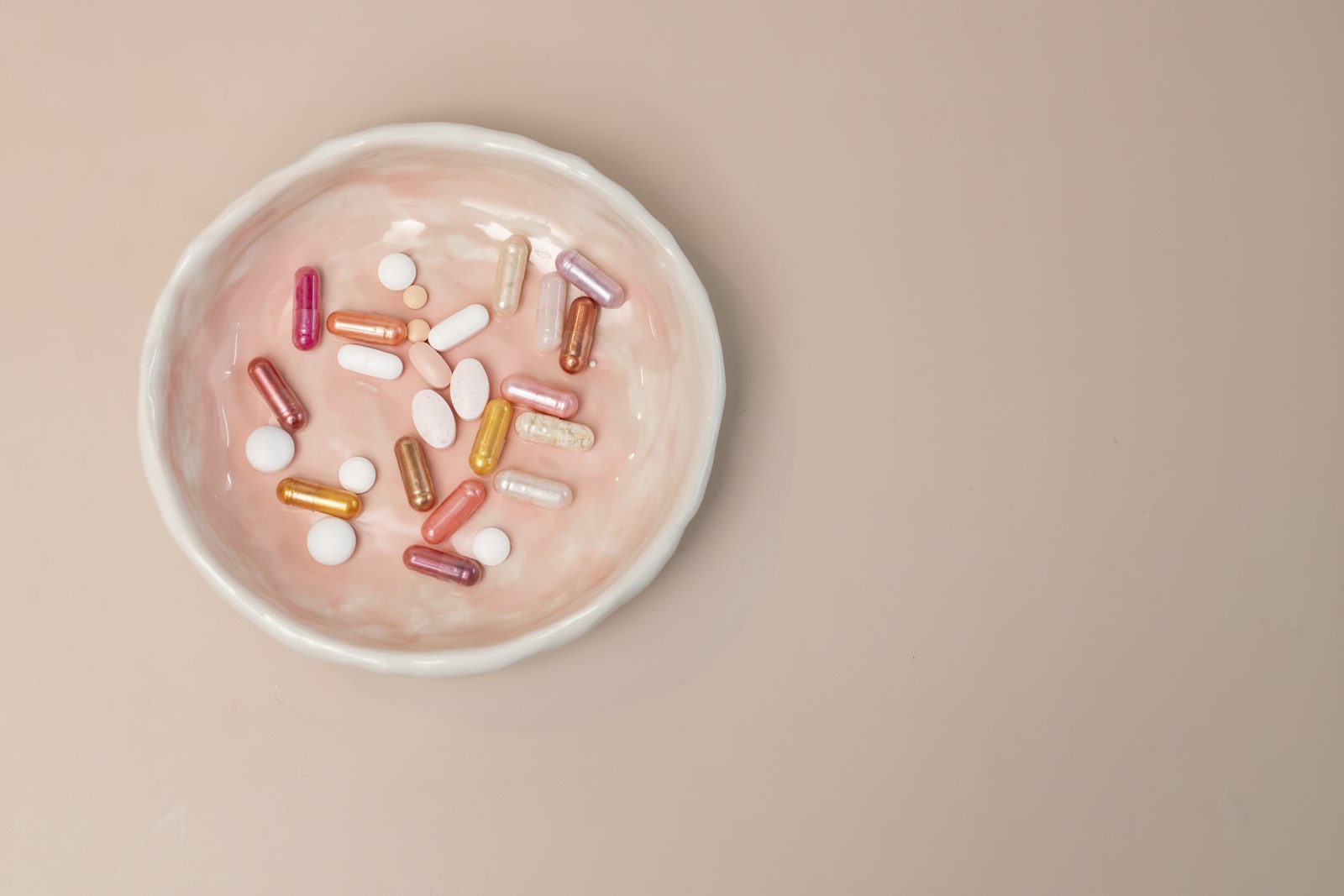
Who Is Most Likely to Benefit
- Adults over 40 interested in supporting healthy cellular turnover and autophagy as natural production declines
- Those focused on cardiovascular longevity, given associations with heart function in observational and animal data
- Individuals exploring cognitive support alongside other lifestyle interventions like sleep and exercise optimization
- People who don't regularly eat spermidine-rich foods such as aged cheese, mushrooms, soy products, and whole grains
- Biohackers already practicing intermittent fasting who want a complementary autophagy-supporting compound
Natural Food Sources vs. Supplementation
Before reaching for a bottle, it's worth knowing that spermidine occurs naturally in wheat germ, aged cheeses, mushrooms, soybeans and soy products, and certain legumes. A diet rich in these foods can meaningfully contribute to daily intake, and some researchers believe long-term dietary patterns (rather than short bursts of high-dose supplementation) may be where the real benefit lies.
That said, getting consistent, measurable doses from food alone is difficult — wheat germ has among the highest concentrations, but few people eat it daily in meaningful quantities. This is where a standardized supplement, typically derived from wheat germ extract, offers a more reliable and repeatable intake.
Find a Trusted Spermidine Supplement
Look for wheat-germ-derived spermidine with third-party testing and transparent milligram dosing per capsule — consistency matters more than flashy marketing.
Shop Spermidine on Amazon →
Typical Dosing Guidance
Most human studies use spermidine doses ranging from roughly 1 to 6 mg per day, often delivered via wheat germ extract standardized to a specific spermidine content. There is no official recommended daily allowance, and dosing protocols vary significantly across the limited clinical research available.
Many supplement brands market products in the 1-3 mg range, positioning them for daily long-term use rather than short-term loading. If you're new to spermidine, starting at the lower end of studied doses and maintaining consistency over months — rather than chasing a high dose — aligns better with how the existing evidence was actually generated.
| Consideration | What to Know |
|---|---|
| Typical studied dose | 1–6 mg per day, often from wheat germ extract |
| Best taken with food? | Often recommended with a meal to reduce GI discomfort |
| Time to notice effects | Most studies run 3–12 months; not a fast-acting compound |
| Common source | Wheat germ extract, standardized capsules |
| Who should be cautious | Pregnant/nursing individuals, those on immunosuppressants |
Side Effects and Safety Considerations
Spermidine is generally well tolerated in the doses studied, and serious adverse events have not been a major feature of the published research. That said, it's not entirely without considerations worth flagging before you start.
Mild gastrointestinal discomfort — bloating, nausea, or stomach upset — is the most commonly reported issue, particularly when taken on an empty stomach. Because spermidine is derived from wheat germ in most commercial products, anyone with a wheat allergy or gluten sensitivity should seek out gluten-free or non-wheat-derived formulations.
A more theoretical but worth-mentioning concern involves spermidine's role in cell proliferation. Because polyamines are involved in cell growth pathways, some researchers have raised questions about long-term supplementation in people with a history of certain cancers, though this remains speculative rather than established in human data. If you have a personal or family history of cancer, or take immunosuppressant medications, discuss spermidine with your physician before adding it to your routine.
Check Your Baseline Biomarkers First
Before adding any longevity supplement, a comprehensive blood panel can help you track inflammatory markers, lipids, and metabolic health over time.
Explore HealthRx Testing →How Spermidine Fits Into a Broader Longevity Strategy
Spermidine is not a replacement for the fundamentals — sleep, resistance training, protein intake, and cardiovascular exercise all have far larger, better-established effects on healthy aging than any single supplement. Where spermidine may earn a place is as a complementary addition alongside those habits, particularly for people already interested in autophagy-focused practices like time-restricted eating.
If you're building a stack, pairing spermidine with other well-researched longevity compounds — such as omega-3s or NAD+ precursors — is a common approach, though you should introduce new compounds one at a time so you can actually track how your body responds.
Shop Standardized Spermidine Formulas
iHerb carries a range of wheat-germ-derived spermidine capsules with transparent labeling, making it easier to compare milligram dosing across brands.
Browse iHerb Spermidine →The Bottom Line
Spermidine has one of the more credible mechanistic stories in the longevity supplement space, backed by consistent animal lifespan data and encouraging, if still preliminary, human observational research. It's reasonable to view it as a low-risk, evidence-informed addition for adults focused on cellular aging and cardiovascular health — provided expectations stay realistic and dosing stays conservative.
As with any supplement operating in an area of active research, talk to your healthcare provider before starting, especially if you have underlying health conditions, and prioritize the foundational habits that remain the strongest levers for long-term health.
From across the network
More from the network on related topics: VitaminSupplyCenter · TestBoostLab · EDHealthLab.